
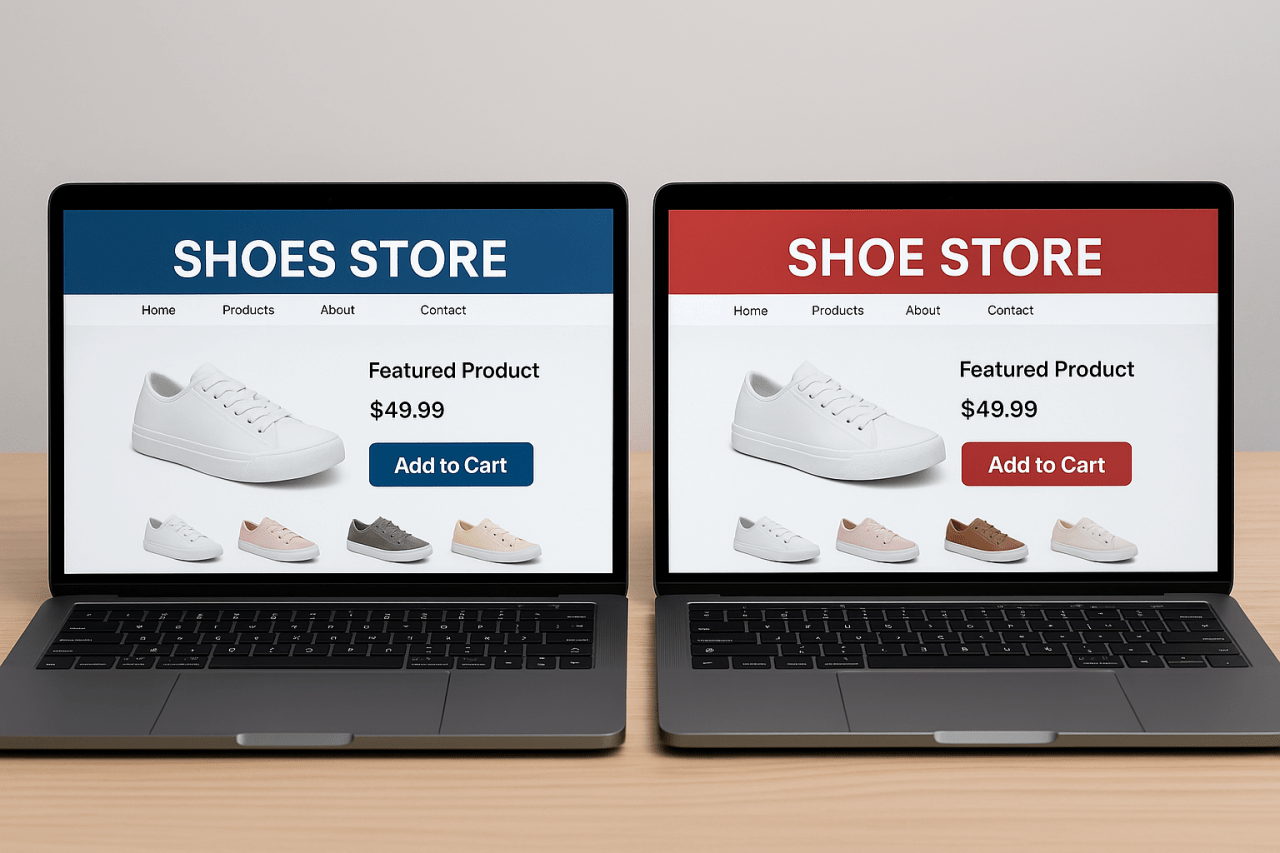
The rapid rise of artificial intelligence (AI) makes life easier for many legitimate businesses—unfortunately, it does the same for cybercriminals. One particularly sneaky tactic is the fake-shop scam through website cloning. Criminals create convincing copies of reputable online stores and use them to lure unsuspecting customers into a trap. Genuine retailers suffer heavy reputational damage as a result. Read on to avoid getting caught—and to learn how you can protect your shop if you’re a retailer.
How AI-powered website cloning works
With the right AI tools, cybercriminals can create an almost exact copy of a legitimate online shop in minutes. Common techniques include:
- Domain spoofing: Registering look-alike web addresses that differ from the original by a single character, an unusual top-level domain, or a sneaky hyphen.
- AI-generated content: Using AI to produce product descriptions, reviews, and even chatbots to simulate an authentic experience.
- Deepfake tactics: Forged customer reviews—or even “testimonial” videos—designed to win victims’ trust.
Even seasoned online shoppers find it increasingly hard to tell real stores from fakes. A quick impulse purchase without a close look can go wrong fast.

Risks and consequences for consumers
If you fall for a fake shop, you risk losing your money: orders are placed and paid for—but never delivered.
On top of that, personal data and card details entered on such sites may be resold or abused for further fraud. The damage isn’t only financial; it can also lead to identity theft, with long-term headaches from unauthorized transactions and bogus accounts.
Some fake shops also distribute malware. A malware infection can occur simply by visiting the site or downloading a tainted file.
How consumers can protect themselves
Sure, you could say, “Just stop shopping online.” Realistically—that’s not happening. Instead, stick to a few simple rules:
- Look closely: The shop’s URL must be exact. A single swapped letter can be a tell-tale sign.
- Check the legal notice: Missing or incomplete company details? Walk away.
- Payment options matter: If a site only accepts prepayment, that’s a red flag.
- Too good to be true: Ultra-low prices should raise suspicion.
- Use a fake-shop checker: Online tools like the Verbraucherzentrale Fake-Shop Finder can help flag suspicious stores.
Bottom line for consumers: keep your eyes open and your brain engaged when shopping online—or head to a local store and turn shopping into a short walk.
Risks for businesses — loss of trust and brand damage
It’s not only consumers who are affected—reputable brands are coming under pressure too. When criminals spin up convincing copies of brand websites, the result can be severe reputational damage. Customers who get burned often blame the real brand—even when it’s not at fault. Trust erodes, and so does your reputation.
To make matters worse, while criminals profit, companies must expend resources to take legal action against the fakes and rebuild credibility. Negative reviews and warnings on social media can also drive lost revenue. AI-driven deception isn’t just a security issue—it’s a very real business risk.

What risks do fake shops pose for businesses?
Fake shops pose four concrete risks for businesses: reputational damage caused by customers who can’t tell the original from a counterfeit, legal costs when pursuing fake sites, revenue losses through negative online reviews, and long-term loss of trust in the brand.
In practical terms: customers who have been scammed in a fake shop often blame the real brand for their frustration – and negative reviews spread especially fast on social media. Legal action against domain spoofing and brand abuse is complex and expensive; in the worst case, companies have to fund extensive reputation campaigns to restore their image.
Brand protection rests on several pillars: legal action against counterfeits, brand monitoring tools for early detection of fake shops, SEO investments (so the real website ranks at the top of search results), and active customer education about the original. Just as important: the technical hardening of your own online presence, so attackers can’t additionally compromise the real brand.
With the free IT security check from CheckFix, you can check whether your brand domain is technically sound – mail security, TLS/SSL, security headers (protecting against clickjacking and cross-site scripting), open ports, and known vulnerabilities, all from a hacker’s perspective.
How businesses can protect themselves against fake-shop abuse
You can’t stop criminals from trying to copy you—but you can make their job much harder:
- Strengthen brand protection: Secure logos, names, and domain variants early—and use them consistently.
- Deploy monitoring: Use tools to detect counterfeits and suspicious activity as early as possible.
- Boost SEO & visibility: Invest in SEO and authoritative content so the real site ranks at the top—and fakes are pushed down.
- Educate customers: Clearly explain on your site and in newsletters how to recognize the genuine shop. Informed customers are your best defense against brand impostors.
Mehr zum Thema Deepfakes und welchen Einfluss diese auf unseren Berufsalltag haben können, lest ihr im nächsten Beitrag.