
Deepfakes are the output of advanced, AI-driven algorithms that can mimic people in photos and videos so convincingly that old-school retouching looks like child’s play. The technology unlocks creative possibilities in entertainment and marketing, but it’s increasingly being abused for fraud. Prepare now—and don’t get fooled when a fake CEO pops up on your screen.
Deepfakes — the perfect playbook
Deepfakes are powered by Generative Adversarial Networks (GANs)—a type of AI where two neural networks compete. A generator creates fabricated images or video, while a discriminator tries to spot the fake. This cat-and-mouse game steadily boosts quality until deepfakes are almost indistinguishable from real footage.
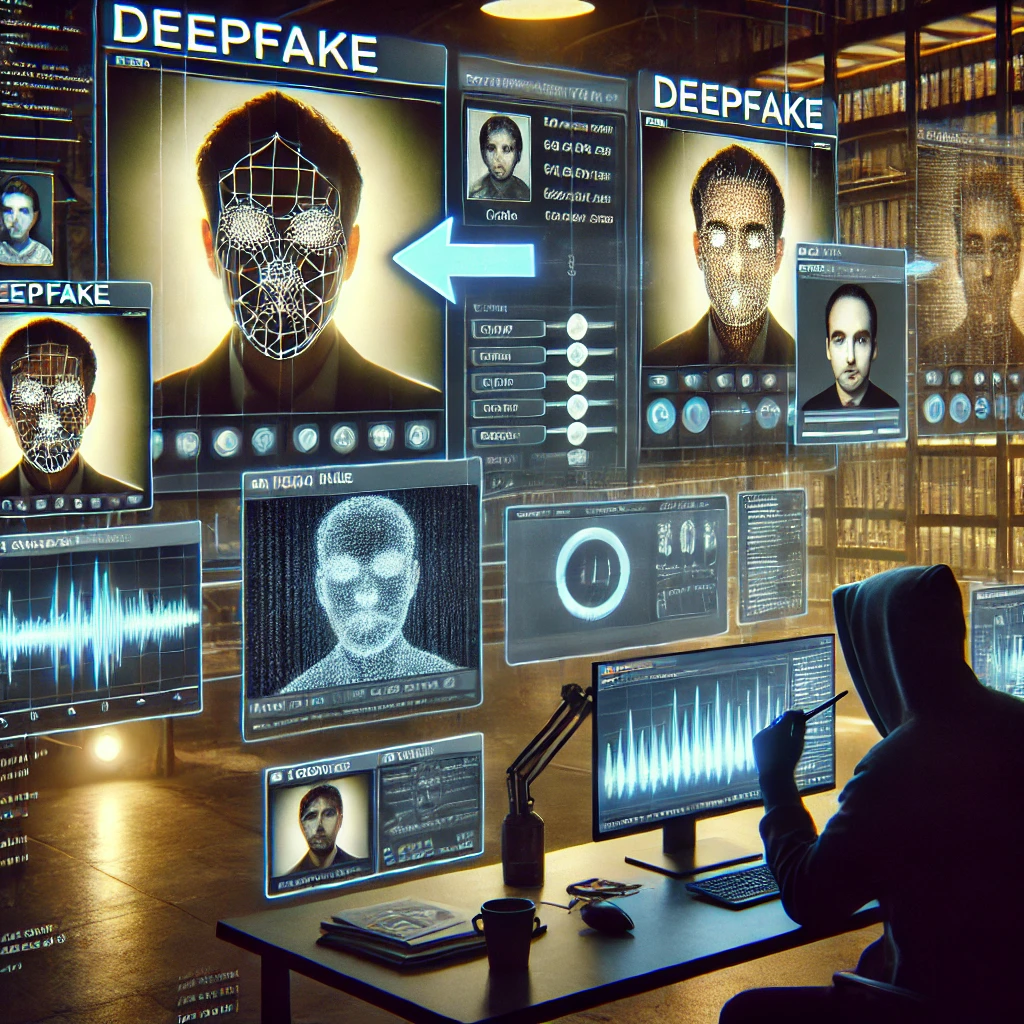
How deepfakes are abused at work
In internationally operating companies, video calls with executives or external partners are routine. Criminals exploit deepfakes to impersonate senior staff and trigger fraudulent payments. The voice, expressions—even the mannerisms—feel authentic. Only later does it become clear the real CEO was never on that call.
What a professional deepfake scam looks like in practice
The head of finance is on a regular video call with a colleague from R&D who’s working from home. The CEO appears on screen and addresses the finance lead directly. In a serious tone, he urges an immediate high-value transfer to a new supplier to secure a critical deal. The voice, facial expressions, and body language look exactly right—nothing suggests it’s counterfeit.

Because that supplier had already been discussed, the finance lead doesn’t doubt the instruction. Without a second check, the transfer goes through. Only later—when the real CEO knows nothing about it—does the scam surface. The company loses a significant sum of money to the criminals, who operated behind a convincing deepfake identity.
Sounds like science fiction — but it’s today’s reality
This isn’t a theoretical risk—it has already caused major financial losses. Combined with social-engineering tactics, attackers win their targets’ trust and push them to share sensitive information or authorize transfers.
Protective measures for businesses
As deepfakes grow more realistic, businesses need both technical and organizational safeguards:
1. Build employee awareness:
Regular training on social engineering and deepfake spotting is essential. Key elements include:
- Deepfake red flags: Teach teams to notice unnatural expressions, artifacts, or mismatched lip movements.
- Social-engineering defense: Explain how attackers build trust and which psychological levers they use.
- Verified communication: Train callbacks and second-channel confirmations as standard practice.
- Hands-on drills and phishing tests: Simulations help apply skills and surface weaknesses.
2. Multi-step verification processes:
High-risk financial actions need extra authentication—for example personal callbacks or biometric checks such as fingerprint, facial recognition, or an iris scan. These are far harder to fake and add a strong layer of protection against deepfake-driven fraud.
3. Use deepfake-detection tools:
AI can also help unmask deepfakes. Companies should deploy specialized software to analyze suspicious media. Examples include Microsoft Video Authenticator (detects video manipulation), Deepware Scanner (deepfake analysis for video calls), and Sensity AI (focuses on detecting forged faces).
4. Secure communication channels:
Don’t share confidential information over unsecured channels, and for high-stakes decisions, build in additional verification.
Examples of secure channels:
- Encrypted email services such as ProtonMail
- Secure messengers like Signal or Threema
- VPN-protected networks
Examples of insecure channels:
- Unencrypted email
- Traditional SMS
- Public Wi-Fi without additional safeguards
Conclusion: Stay alert, listen closely—and pause before you act
Technology moves fast—businesses and individuals have to keep up. The mix of technical controls, training, and clear policies is what works. Often, taking a breath and double-checking before acting is enough to prevent a scam. If you like to experiment, try the new tools yourself—you’ll spot the “fake CEO” much faster next time.